The 30% Myth: What It Really Costs to Own a Home in Connecticut in 2026
![[HERO] The 30% Myth: What It Really Costs to Own a Home in Connecticut in 2026](https://cdn.marblism.com/szlkkb_JpeA.webp)
Before we dive into the numbers, let’s establish who is guiding you through this complex landscape. At Rob Rosa, powered by Berkshire Hathaway HomeServices New England Properties, we don't just sell houses; we set the standard for real estate excellence in Connecticut. Here is why you can trust our perspective:
- Top 1% Nationwide: Ranked among the elite tier of real estate professionals.
- Chairman’s Circle Platinum Award Winner: Consistently recognized for outstanding sales volume.
- Accredited Buyer’s Representative (ABR): Specialized training to protect your interests.
- Seller Representative Specialist (SRS): Expertly navigating the complexities of listing and closing.
- Deep Local Roots: Decades of experience specifically within Hartford County and surrounding areas.
- Rock-Solid Guarantee: We guarantee a level of transparency and data-driven insight that is unmatched in the industry.
If you’ve been told that your housing costs should only take up 30% of your gross income, I’ve got news for you: in the 2026 Connecticut real estate market, that’s becoming a fairytale. Whether you are looking in South Windsor, Glastonbury, or West Hartford, the "30% Rule" is under immense pressure.
The 30% Rule Under Pressure: Why Even High Earners in CT are Feeling the Pinch
For decades, financial advisors have touted the 30% rule: the idea that you should spend no more than 30% of your gross monthly income on housing. However, as we navigate the Connecticut real estate market in 2026, we are seeing a dramatic shift.
High earners in towns like Avon and Farmington, who previously felt insulated from affordability issues, are now finding that the "all-in" cost of a home is eating significantly more of their paycheck. With the median home price in Connecticut hovering around $450,000 and interest rates remaining a factor, the math simply doesn't look like it did in 2019.
We are seeing households where 30% barely covers the principal and interest, leaving little room for the "hidden" costs of Connecticut living. In fact, recent data suggests that over 33% of Connecticut households are now "cost-burdened," meaning they exceed that 30% threshold. I am an experienced broker, and I’ve seen firsthand how this puts a strain on families who didn't budget for the 2026 reality.
Beyond the Mortgage: Surging CT Property Taxes and Insurance Premiums
When you look at a listing on a site like Zillow or Realtor.com, the estimated monthly payment is often a lie. It usually ignores the two biggest "silent killers" of affordability in our state: property taxes and insurance.
The 57% Sacrifice Stat
In some parts of Hartford County, homeowners are discovering that after property taxes, homeowners insurance, and mandatory vehicle taxes are factored in, their total "living cost" accounts for nearly 57% of their net take-home pay. This "57% sacrifice" is a sobering reality for many first-time buyers who focused only on the mortgage rate.
Connecticut’s Unique Tax Structure
Connecticut is unique because we have no county-level government. This means individual towns: from Manchester to Enfield: carry the full weight of funding their schools and services through local property taxes. This creates wildly different "mill rates."
- Glastonbury vs. East Hartford: A home with the exact same square footage can have a tax bill that differs by thousands of dollars annually simply because of the town line.
- Vehicle Taxes: Don't forget that in CT, you also pay property tax on your cars to the town where you live. This can add an extra $300 to $1,300 to your annual household expenses.

Maintenance and the 1% Rule: Budgeting for the Unexpected
I always tell my clients: "If you can afford the mortgage, you might not be able to afford the house."
In 2026, labor and material costs in Connecticut have surged. We recommend the 1% Rule: You should budget at least 1% of your home's total value every year for routine maintenance and unexpected repairs.
- The 10-20% Buffer: We suggest keeping a liquid reserve that is 10-20% of your annual housing costs. Whether it’s a furnace failing during a January freeze in Tolland or a roof leak after a coastal storm, these costs are not "if" but "when."
- Utilities: Connecticut consistently ranks among the states with the highest utility costs. Heating a 2,500-square-foot colonial in Wethersfield or Newington requires a realistic budget for electricity and heating oil/natural gas.
Avoiding Payment Shock: The Revaluation Trap
One of the biggest mistakes buyers make is looking at the current taxes on a listing and assuming they will stay that way. Towns like West Hartford, Glastonbury, and Rocky Hill undergo periodic revaluations.
If a town hasn't had a revaluation in five years and property values have spiked: as they have across the Connecticut real estate market 2026: your tax bill could jump by 20% or more just months after you move in. I’ve got you covered here; our team tracks the revaluation schedules for every town in Hartford County to ensure you aren't blindsided by "payment shock."
Local Market Context: Active Listings
To understand the real cost of ownership, you have to look at what's actually on the market. We are currently managing some incredible properties that highlight the variety of the CT landscape:
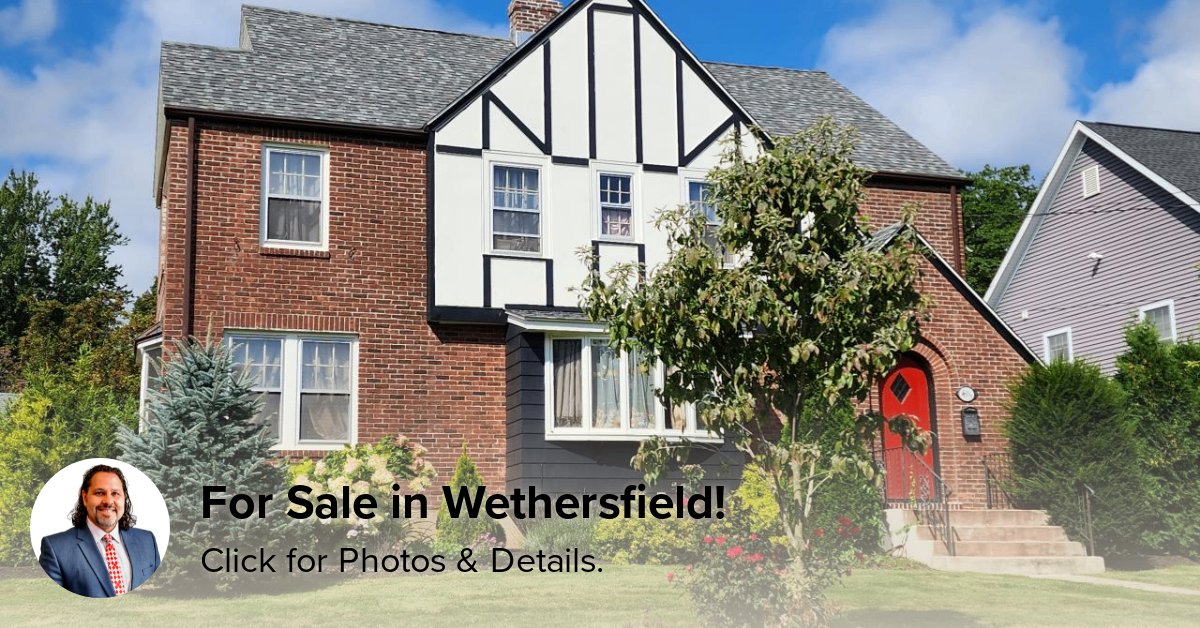
- 826 Worthington Ridge, Berlin, CT: This home offers incredible historic charm with modern updates. Berlin is a fantastic town with a balanced mill rate, making it a favorite for those looking for value and community.

- 39 Phillips Farm Rd: A prime example of the suburban dream. When we walk through homes like this, we look at the age of the mechanicals and the roof to help you build that maintenance budget from day one.
- 19 Albert Ave: Centrally located and perfect for those who want to be near the heart of the action while maintaining a manageable property size.
The Local Advantage: How Rob Rosa's Team Calculates the Real Cost
We don't just show you the kitchen; we show you the spreadsheet. The Rob Rosa real estate team uses a proprietary "Real Cost Calculator" for every client. We look at:
- Current Mill Rates: And pending town budget changes in places like Bloomfield, Windsor, and South Windsor.
- Insurance Assessments: We work with local agents to get you real quotes, not "national averages."
- Historical Utility Data: We try to find out exactly what it cost to heat and cool that specific home over the last 24 months.
We are ready to help you navigate these numbers. Our promise of outstanding service means we don't let you sign a contract until you are 100% clear on what your monthly outflow will be. We enjoy helping our clients achieve the American dream without it becoming a financial nightmare.

The Bottom Line for 2026
The Connecticut real estate market in 2026 is competitive and expensive, but it is also a fantastic investment if handled correctly. Home affordability in CT is about more than just the purchase price; it’s about understanding property taxes in Hartford County, anticipating maintenance, and knowing the local town cycles.
Whether you are looking to sell your home in Middletown, Cromwell, or Portland, or you are looking to buy your first home in Suffield or Coventry, I am an experienced broker who is willing to let you be the judge of our expertise.
Ready to see the real numbers?
Don't rely on a myth. Get the facts from the team that knows Connecticut best. We guarantee that our local insight will save you from costly surprises.
Call or text Rob Rosa at (860) 698-8607 today. Visit us online at https://robrosa.bhhsnep.com to start your search or get a professional valuation of your current home.
We look forward to working hard for you!